What is a Box Filling Machine and How Does It Work?
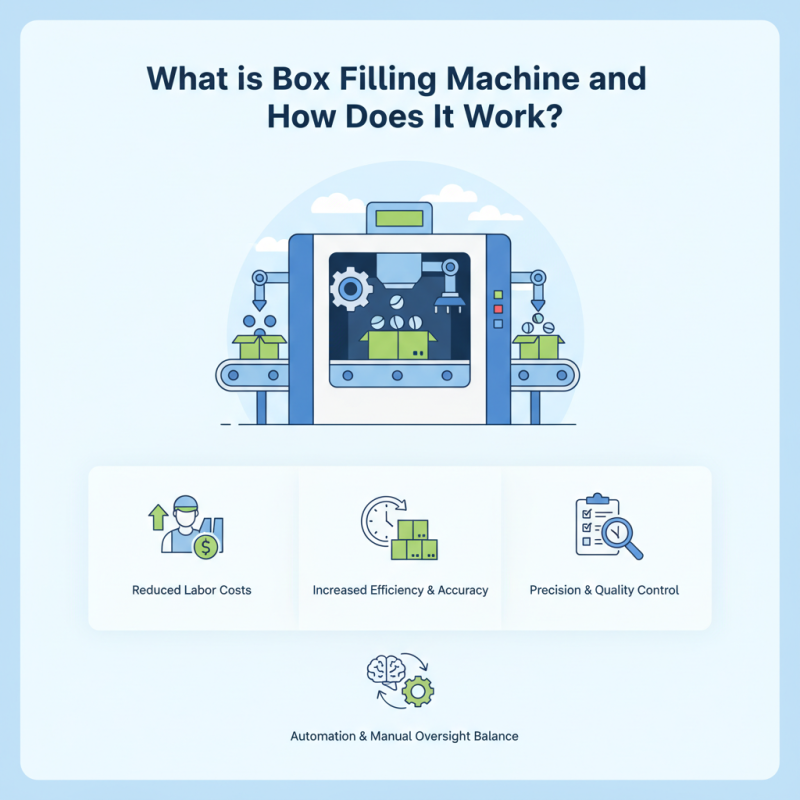
The box filling machine is a vital piece of equipment in many industries. It streamlines the packaging process, improving efficiency and accuracy. According to industry expert John Smith, "A box filling machine can significantly reduce labor costs while ensuring consistency in packaging."
These machines automate the task of filling boxes with various products, such as food items, pharmaceuticals, or industrial goods. They can operate at high speeds, handling multiple sizes and weights. However, not all box filling machines are created equal. Some may struggle with precision, leading to wasted materials or improperly filled packages. This highlights the importance of choosing the right machine for specific needs.
By investing in a high-quality box filling machine, businesses can enhance productivity. Yet, it is important to regularly evaluate the machine's performance. Continuous improvement can lead to better operational outcomes. The balance between automation and manual oversight is crucial. Such reflections help ensure that the box filling machine truly meets the demands of modern production.
What is a Box Filling Machine?
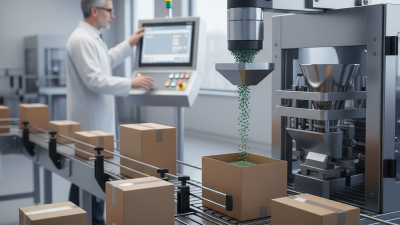
A box filling machine is a crucial piece of equipment in the packaging industry. This device automates the process of filling boxes with products, ranging from food items to electronic goods. Its operational efficiency can significantly impact productivity levels. Typically, it employs various techniques such as gravity feed, auger, or pump filling. Each method serves different types of materials, ensuring precision and minimizing waste.
Understanding how a box filling machine works involves recognizing the key components. These machines usually consist of a hopper, filling nozzle, and PLC control system. The hopper holds the product before it's dispensed. The filling nozzle releases the product into the box, using advanced sensors for accuracy. Although these machines improve efficiency, some may struggle with complex shapes and materials. Regular maintenance and calibration are essential to avoid errors and ensure consistent performance.
Many users face challenges during installation and operation. The learning curve can be steep, especially with advanced models. Operators need training to maximize their utility. Surprisingly, even small adjustments can make significant differences in filling accuracy. As with any technology, understanding both the strengths and weaknesses of a box filling machine is crucial. Continuous feedback and adaptation can lead to better outcomes in the long run.
Box Filling Machine Usage by Industry
The Components of a Box Filling Machine
A box filling machine is essential in various industries, including packaging and logistics. Understanding its components reveals how it functions effectively. These machines streamline the filling process, ensuring that products are packed securely and efficiently.
At the core of a box filling machine are several key components. Firstly, the hopper holds the materials that will fill the boxes. This part must be designed for easy loading and must prevent spillage. Next, the filling nozzle dispenses the product into the box. Adjustments may be needed to ensure the desired fill level. There is also a conveyor system involved, moving the boxes to the filling station. This part can be a point of failure if not properly maintained, leading to delays.
Another crucial element is the control system. It regulates the filling process, allowing for precise measurement. Operators need to be trained to understand this system. Otherwise, inaccuracies can occur. Sensors and alarms can add layers of reliability, but they require attention from the staff. A lack of understanding of these devices can lead to inefficiencies. Ultimately, a box filling machine should be regularly inspected to maintain its optimal performance.
How Does a Box Filling Machine Operate?
A box filling machine is designed to automate the packaging process. It streamlines how products are filled into boxes for shipping or storage. The operation begins with the machine detecting an empty box at the filling station. Sensors play a crucial role here, ensuring accuracy and preventing errors.
Once the machine recognizes the box, it shifts into action. It dispenses the necessary product into the box at a regulated speed. The filling mechanism might vary based on the product, whether it’s liquid, powder, or solid. Microcontrollers monitor the filling process, ensuring each box contains the correct amount. This attention to detail is vital to prevent underfilling or overfilling.
After filling, the machine often seals the box. This could involve adhesive, tape, or other sealing methods. The entire process is impressive, yet it requires constant monitoring. Sometimes, the system may malfunction, leading to improper fills. Operators need training to handle such issues efficiently. Understanding these challenges allows for continuous improvement in box filling operations.
Types of Box Filling Machines and Their Applications
Box filling machines are essential in various industries, including food and beverage, pharmaceuticals, and cosmetics. These machines streamline the packing process by efficiently filling boxes with products like snacks, liquids, or powders. Understanding the types of box filling machines can help businesses choose the right equipment for their needs.
There are several types of box filling machines. Gravity-fed systems use gravity to dispense products into boxes. This method works well for dry goods like cereals. Pneumatic machines utilize air pressure to fill boxes, making them suitable for fragile items. Auger fillers handle powders and granules, offering precise measurements. Each type has specific applications, emphasizing the importance of knowing what fits best for your product.
Tips: Always assess the size and type of your product before selecting a machine. A mismatch can lead to inefficiencies. Regular maintenance is crucial for performance. It helps identify potential issues early, ensuring continuous operation. Don't overlook the importance of operator training. Well-trained staff can avoid common mistakes, boosting productivity and safety.
What is a Box Filling Machine and How Does It Work? - Types of Box Filling Machines and Their Applications
| Type of Box Filling Machine |
Description |
Applications |
Advantages |
| Manual Box Filling Machines |
User-operated machines for filling boxes by hand. |
Small-scale operations, retail packaging. |
Cost-effective, easy to set up and use. |
| Semi-Automatic Box Filling Machines |
Requires some manual input, but automates certain processes. |
Medium-sized manufacturing, assembly lines. |
Increased efficiency, reduced labor costs. |
| Fully Automatic Box Filling Machines |
Entirely automated, requiring minimal human intervention. |
Large-scale production, high-speed operations. |
High throughput, consistent quality, and reduced waste. |
| Vertical Form Fill Seal Machines |
Machines that create bags from a roll of film and fill them. |
Snack packaging, powdered products. |
Compact design, flexible for different product sizes. |
| Box Erectors and Fillers |
Automates the boxing process by forming and filling boxes. |
E-commerce, logistics, and other packaging industries. |
Enhances packaging speed and efficiency, lower labor costs. |
Benefits of Using Box Filling Machines in Packaging Industry
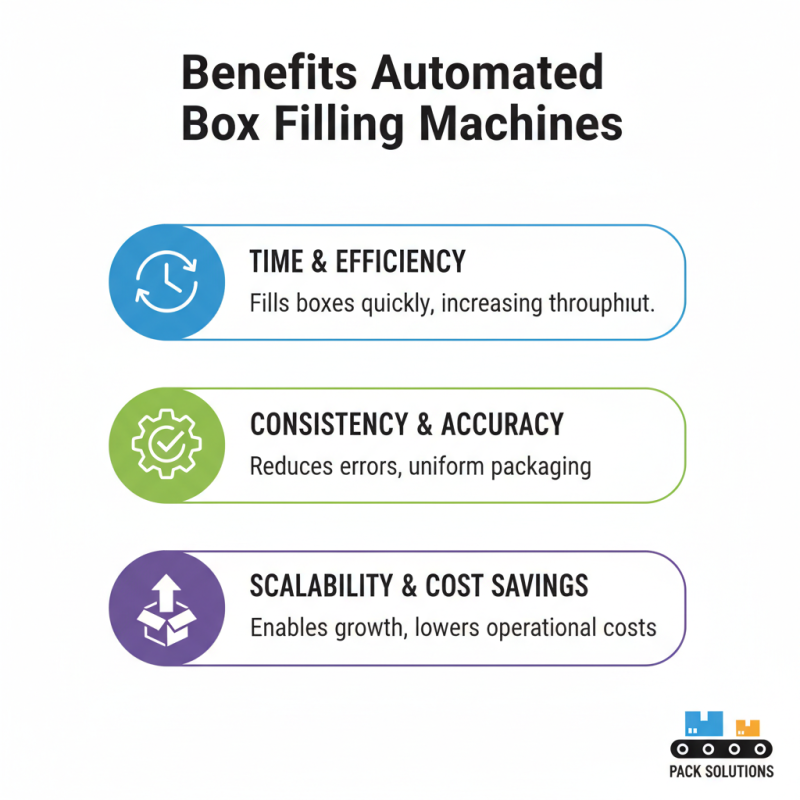
Box filling machines play a vital role in the packaging industry. They automate the process of filling boxes with products quickly and efficiently. This not only saves time but also ensures consistency in the packaging process. Automated machines minimize human error, which can lead to expensive mistakes. For companies looking to scale, this efficiency is essential.
The benefits of using box filling machines are numerous. They help in optimizing labor costs. Instead of employing several workers for manual filling, a single machine can handle large volumes. This reduces labor costs significantly. Moreover, these machines can be customized to handle various products, from food items to electronics. This versatility adds to their appeal, as businesses can adjust their production lines based on consumer demand.
However, integration of box filling machines is not without challenges. Initial costs can be high, and training staff to operate these machines may require time and resources. Companies must also consider the maintenance of equipment to avoid downtime. Despite these challenges, the potential for increased productivity often outweighs the drawbacks. Reflecting on how to effectively implement these machines can lead to better outcomes in the long run.