How to Choose the Best Juice Pasteurizer for Your Business?
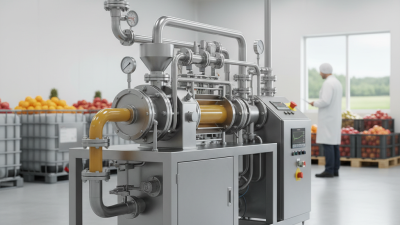
Choosing the right juice pasteurizer for your business is critical. The global juice industry is projected to reach $250 billion by 2025. As consumers demand safer, fresher products, pasteurization has become more important. In this context, experts emphasize that selecting the best equipment can boost both quality and safety. Dr. Emily Wang, a renowned food technology expert, states, “A reliable juice pasteurizer enhances product longevity and consumer trust.”
But the decision isn't straightforward. Various factors need consideration, such as capacity, energy efficiency, and technology. Many businesses falter in understanding the specific demands of their production processes. A poor choice can lead to product spoilage and financial loss. Thus, your investment in a juice pasteurizer is a pivotal step. Think carefully about your needs before making a purchase. Market research reveals that 30% of businesses overlook essential features when buying equipment. Make informed decisions to thrive in this competitive landscape.
How Juice Pasteurization Affects Nutritional Quality and Safety
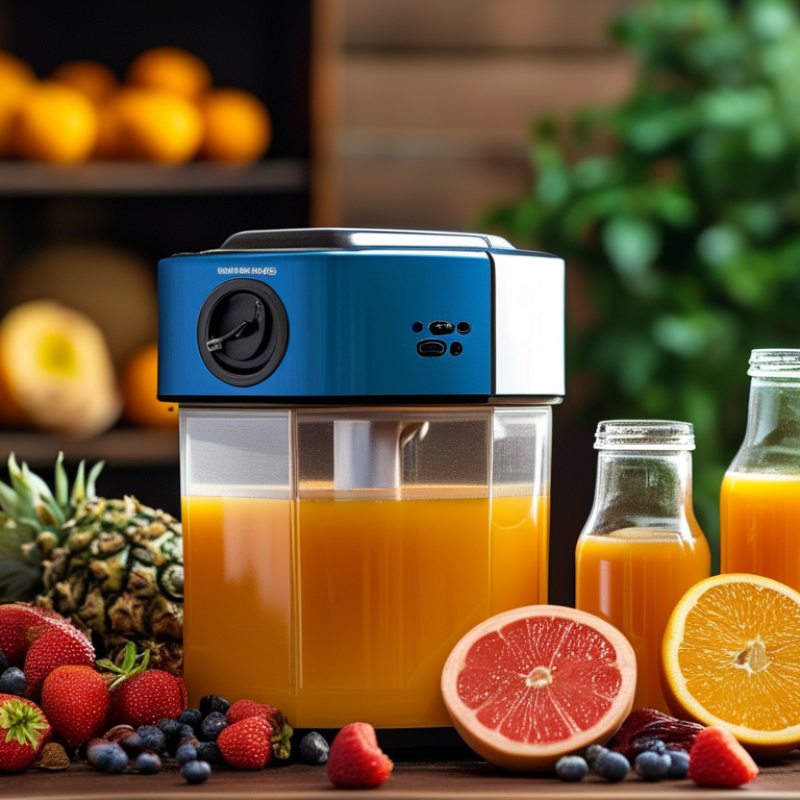
Juice pasteurization plays a crucial role in preserving nutritional quality and ensuring safety. According to research by the International Journal of Food Microbiology, pasteurized juice can reduce harmful bacteria by 99.9%. This process not only extends shelf life but also maintains the flavor and color that consumers expect. However, one must consider the temperature and duration of pasteurization, as excessive heat can diminish vitamins and phytochemicals in the juice.
Understanding the balance between safety and nutritional value is essential. A study published by the Journal of Food Engineering indicates that high-temperature short-time (HTST) pasteurization can maintain more nutrients than traditional methods. This information is vital for businesses aiming to provide high-quality products. It is important to evaluate different pasteurization techniques and their effects on various juice types.
For those selecting a juice pasteurizer, consider how the method impacts flavor and nutrient retention. Look into models that offer precise temperature controls. Conduct taste and nutrient tests with batches, noting changes. Occasionally, suppliers may recommend specific settings; however, testing your specific juice batches will yield the best results. Balancing safety with nutrition requires ongoing attention and adaptation.
Key Features to Look for in a Juice Pasteurizer for Business Use
When selecting a juice pasteurizer for your business, focus on key features that ensure efficiency and quality. Look for machines with adjustable temperature settings. This allows you to process various juice types without compromising taste or nutrients. Additionally, consider the ability to handle different volumes. If your business grows, your equipment should be able to keep up.
Keep in mind the importance of energy efficiency. A pasteurizer that consumes less energy reduces operational costs and environmental impact. Technology has advanced, and many newer models offer this feature. Check the warranty and after-sale service. This is vital, as reliable support can save you from costly downtimes.
Investing in high-quality materials is crucial. Stainless steel models typically offer durability and are easier to clean, ensuring hygiene in juice production. User-friendly controls make the machine accessible to all staff levels. Always consider how easy it is to operate.
Consider visiting trade shows or industry expos. This offers you hands-on experiences with different machines. You can also network with other businesses. Hearing their experiences can provide valuable insights.
Understanding the Different Types of Juice Pasteurization Methods Available
When choosing a juice pasteurizer, understanding the different methods is crucial. Each method varies in effectiveness and cost. High-temperature short-time (HTST) pasteurization is a popular choice for many businesses. This method heats juice to high temperatures for a brief period. It preserves flavor and nutrients well. However, it requires precise temperature control. Another method is batch pasteurization. This involves heating juice in large volumes. It is often less expensive but can affect the taste.
Consider your production needs when selecting a method. Do you need high volume or a smaller batch? HTST might suit larger operations, while batch pasteurization could work for smaller businesses. Remember to ensure your equipment meets safety and health standards. The right choice will reflect your business goals and the quality you wish to maintain.
Testing your pasteurization method is essential. Regular evaluations help ensure optimal performance. Observe how your juice changes in taste and quality over time. Don't hesitate to adjust your method based on feedback. Balancing efficiency and product quality can be challenging yet rewarding. This reflection leads to improvements that benefit your customers and your business.
Investing in a Juice Pasteurizer: Cost Analysis and ROI Considerations
Investing in a juice pasteurizer requires careful financial analysis. The initial cost can vary widely depending on capacity and technology. It's crucial to consider not just the purchase price, but also installation and operational costs. A well-chosen pasteurizer can enhance product safety and shelf life, which can lead to increased sales. However, weighing these benefits against the ongoing maintenance expenses is essential.
Return on investment, or ROI, should be clearly defined. Calculate potential revenue increases from improved product quality. Factor in reductions in spoilage and increased efficiency. Tracking these metrics can help determine if the investment was wise. Yet, some businesses may find it challenging to see immediate returns. Adjustments in production can take time. Regularly revisiting your cost analysis helps keep the focus on profitability.
Engaging with food safety regulations adds another layer of complexity. Compliance can create additional costs. Businesses often overlook these factors, which can impact their bottom line. Understanding these nuances will help in making informed decisions. Modifying processes may be necessary in response to feedback and outcomes, leading to a more effective use of the pasteurizer.
Cost Analysis of Juice Pasteurizers
Regulatory Standards for Juice Pasteurizers: Compliance and Best Practices
When selecting a juice pasteurizer, regulatory compliance is crucial. Each region has specific standards for processing juice. Understanding these regulations ensures that your product is safe and meets consumer expectations. Stick to standard guidelines from health authorities. This knowledge builds trust with your customers and enhances your brand reputation.
Tips for compliance include regularly checking the temperature settings of your pasteurizer. Ensure that it reaches the necessary levels to kill harmful pathogens effectively. Verification through temperature logs can serve as proof of adherence to standards. Also, invest in equipment that meets local regulations. This not only ensures compliance but also minimizes any potential legal repercussions.
Maintaining cleanliness in your facility is another essential best practice. Schedule routine inspections and cleanings of your pasteurizing equipment. This step is vital to avoid contamination. Remember that even minor lapses can lead to serious issues. Engage with experts if you're uncertain about compliance requirements. Their insights can help you navigate the complexities effectively, ensuring your business thrives while maintaining safety.
How to Choose the Best Juice Pasteurizer for Your Business? - Regulatory Standards for Juice Pasteurizers: Compliance and Best Practices
| Feature |
Description |
Compliance Standards |
Best Practices |
| Temperature Control |
Precise regulation of pasteurization temperature to ensure safety and quality. |
FDA Guidelines |
Regular calibration and maintenance of temperature sensors. |
| Flow Rate |
Determines the efficiency of the pasteurization process. |
USDA Standards |
Optimize flow rates to maximize throughput while ensuring effective pasteurization. |
| Cleaning and Sanitation |
Protocol for cleaning and sanitizing to prevent contamination. |
HACCP Compliance |
Implement regular cleaning schedules and documentation. |
| Material Quality |
Use of food-grade materials that meet safety regulations. |
FDA Approval |
Verify material certifications and supplier standards. |
| Monitoring Systems |
Systems to monitor pasteurization parameters in real-time. |
ISO 22000 Standards |
Integrate automated data logging and alerts. |