How to Choose the Right Bag in Box Packaging for Your Product?
Choosing the right bag in box packaging is crucial for your product's success. This type of packaging is popular in various industries. It offers convenience and reduces waste. The right choice can enhance shelf life and maintain product quality. However, many businesses struggle with this decision.
Consider the unique requirements of your product. What size do you need? Is your product sensitive to light or air? These details matter. You should also think about your target audience. Their preferences will influence packaging design. Are they looking for sustainability? Do they prioritize convenience?
Remember, perfection is hard to achieve. Mistakes can happen. Some may overlook the importance of testing the packaging. It’s essential to evaluate how it performs in real-life conditions. Failing to do so can lead to disappointment. Reflect on your choices. Each decision shapes your brand's image.
Understanding Bag in Box Packaging: Types and Benefits
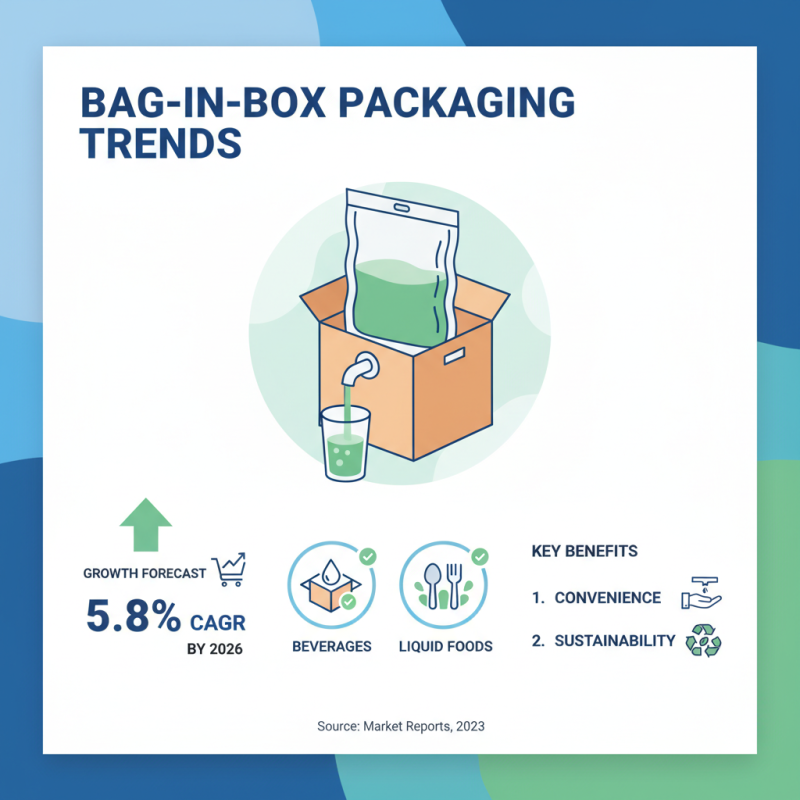
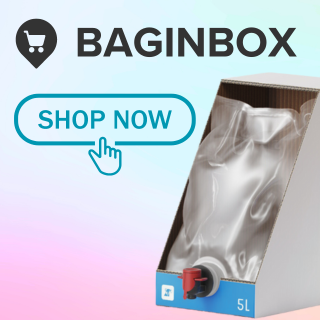
Bag in box packaging has become a popular choice for various products, especially beverages and liquid foods. It provides efficient storage and easy dispensing. According to market reports, the bag in box segment is expected to grow at a compound annual growth rate (CAGR) of 5.8% by 2026. This trend highlights the increasing demand for convenient and sustainable packaging solutions.
Understanding the types of bag in box packaging can help in making the right choice. There are different materials for bags, including polyethylene and foil. Each offers various benefits, such as barrier properties and durability. The outer box can be made from recyclable materials, adding an eco-friendly aspect. Consumers are now prioritizing sustainability, which makes these options appealing.
Tips: Consider the product's shelf life when choosing the type of material. Ensure the bags can withstand the conditions of transportation. Another point to ponder is the dispensing method. A user-friendly tap can enhance the customer experience and promote repeat purchases. It's important not to overlook these details as they may affect overall satisfaction.
Evaluating Your Product's Specific Requirements for Packaging
When selecting bag-in-box packaging, it’s crucial to consider your product's specific needs. Think about the nature of your product. Is it a liquid, semi-solid, or something else? Different products have different shelf lives. For example, juice may need a longer shelf life than a sauce. Know your product's unique characteristics.
Next, consider storage and transportation. How will your product be stored? Is temperature control needed? The bag-in-box setup is useful for preserving freshness. However, not all products maintain quality the same way. Sometimes, using this type of packaging may lead to quality issues.
Think about the user experience as well. How easy is it for customers to pour the product? A spout that is too narrow can frustrate. People want convenience. Reflect on how your packaging choice affects the product's perception. Is it sustainable? Does it align with your brand values? These questions are vital.
Factors to Consider When Choosing Material for Bag in Box
When selecting the right material for bag in box packaging, several factors come into play. Consider the product's properties. For example, liquids often need materials that prevent leaks and maintain freshness. A heavier gauge film can provide better protection. Think about the product’s shelf life. This requires a barrier against oxygen and light. Choosing the right film can significantly affect quality.
Tips: Test materials for durability. A simple pull test can reveal weaknesses. Also, consider transparency. Will customers see the product? Clear windows allow for visibility but may reduce protection.
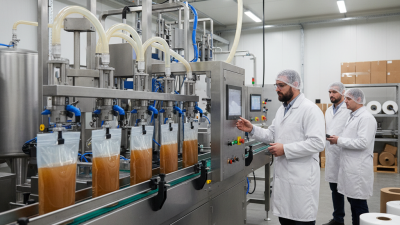
Sustainability is another factor. Consumers are increasingly aware of environmental impact. Consider eco-friendly materials without compromising quality. Balancing sustainability and protection can be challenging. Reflect on the trade-offs involved. Lastly, consider compatibility with filling equipment. Not all bags work with every machine. Always check specifications before making a choice.
How to Choose the Right Bag in Box Packaging for Your Product? - Factors to Consider When Choosing Material for Bag in Box
| Factor |
Description |
Material Types |
Suitability |
| Protection |
Material should provide adequate protection against physical damage and environmental factors. |
PE, PET |
High protection level for fragile items. |
| Barrier Properties |
Effective barrier against moisture, oxygen, and light to preserve product quality. |
EVOH, AL-foil |
Ideal for liquid products and food items. |
| Compatibility |
Material should be compatible with the contents to prevent contamination. |
PP, PS |
Suitable for a variety of products, including non-food items. |
| Sustainability |
Consider eco-friendly materials and recycling options. |
Recyclable materials, biodegradable options |
Best choice for environmentally conscious consumers. |
| Cost |
The material should fit within the budget constraints while meeting quality requirements. |
Varies widely |
Balance between quality and price. |
Designing Your Bag in Box Packaging for Optimal Functionality
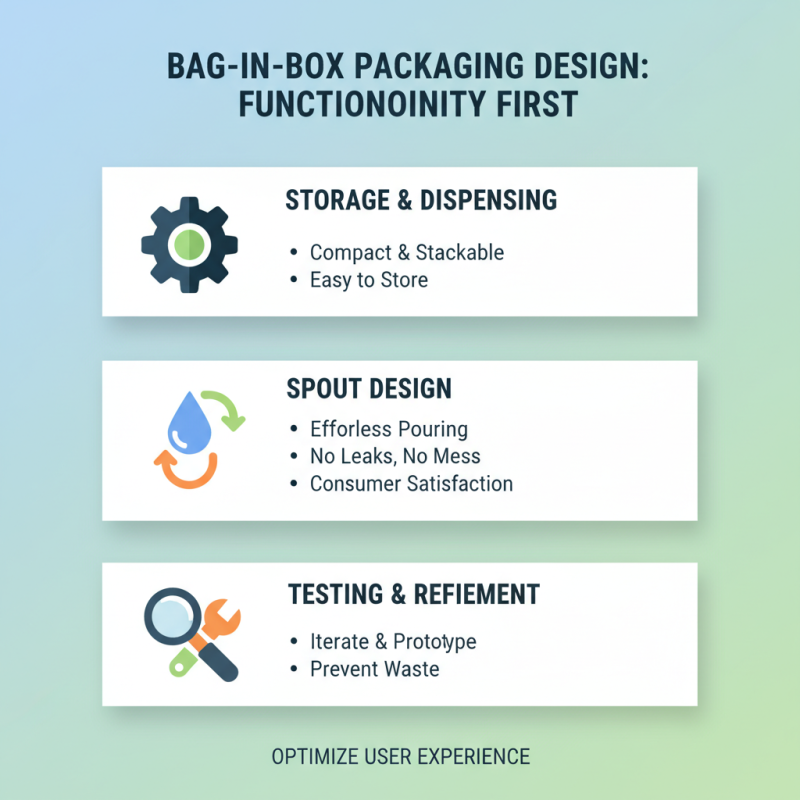
When designing bag in box packaging, functionality should be a top priority. It's essential to consider how your product will be stored and dispensed. The spout should be easy to use. Ensure it delivers your product smoothly without mess. A poorly designed spout can frustrate consumers and lead to waste. Test different designs before finalizing.
The choice of materials adds another layer of complexity. Use sturdy materials to protect your contents. However, if the packaging is too heavy, it becomes cumbersome. Strive for a balance. Think about the visual appeal as well. A well-designed box attracts customers. Yet, if it doesn’t serve its purpose effectively, the design loses value. Keep functionality in focus while making it visually engaging.
Consider the overall size and shape. A compact design saves space, both for storage and transport. But if it’s too small, it might hinder usability. Reflect on these aspects during the design process. Feedback from potential users can provide valuable insights. It's important to remember that perfection is subjective. What works for one product may not fit another. Experimentation is key to finding the right solution.
Cost Analysis: Budgeting for Bag in Box Packaging Solutions
When considering bag-in-box packaging, a thorough cost analysis is essential. According to industry reports, bag-in-box packaging offers a cost-effective solution, especially for beverages and liquids. The material costs can vary significantly. Often, the cost of a box can be cheaper than rigid containers.
Manufacturers might spend around 10% less on packaging when opting for bag-in-box versus traditional methods. This is particularly true when considering transportation efficiencies. One bag-in-box unit weighs less, enabling more products to fit into shipping containers. However, overlooked expenses can creep in. These include machinery for filling and sealing, and potential changes in warehouse logistics.
Labor costs can also fluctuate. Employees may require training to handle new systems effectively. Data indicates that companies may face up to a 15% increase in operational costs during the transition phase. The initial investment for setup might be daunting, but overall, long-term savings can outweigh these concerns. Making the shift needs careful planning and adaptability. Understanding these financial implications is crucial for executives seeking to optimize their packaging strategy.