How to Choose the Right Bag in Box Filling Machine for Your Needs?
Choosing the right bag in box filling machine is a crucial decision for many businesses. This machine has become essential for various industries, from food and beverages to chemicals. A well-suited filling machine can enhance productivity and streamline operations.
When assessing your needs, consider factors like production volume and product type. Not all bag in box filling machines are created equal. Some models are designed for high-speed operations, while others focus on precision and flexibility. You might find that an affordable option initially seems appealing, but it may lack the features necessary for long-term efficiency.
Think about your workspace, too. A bulky machine can take up precious floor space, affecting overall workflow. Moreover, remember that customer support is vital. Machine breakdowns can disrupt operations. A manufacturer that offers reliable service can make a big difference when issues arise. It’s worth reflecting on these aspects.
Understanding Bag in Box Filling Machines: Key Components and Types
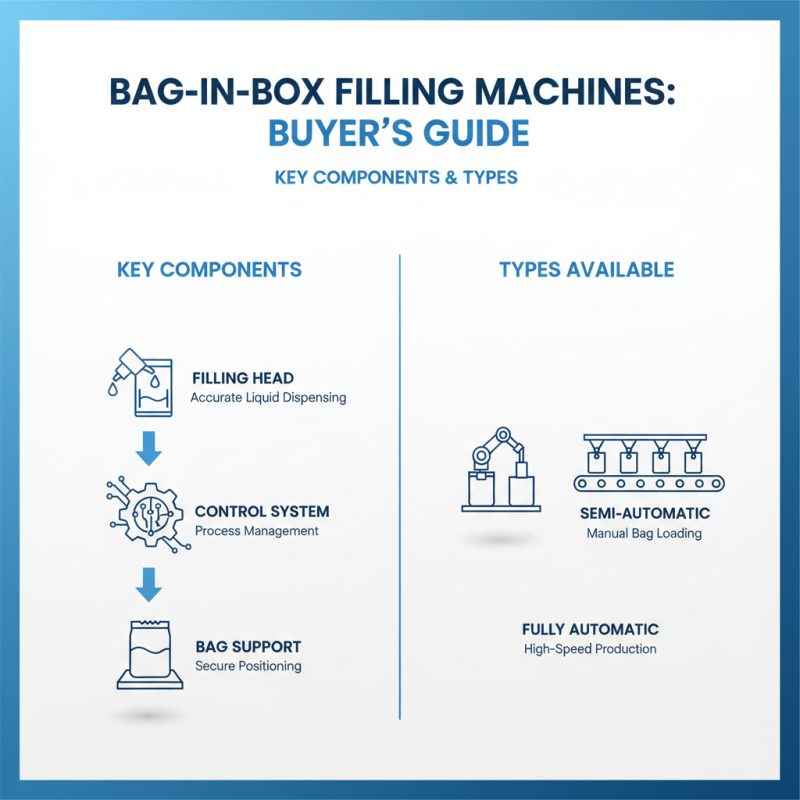
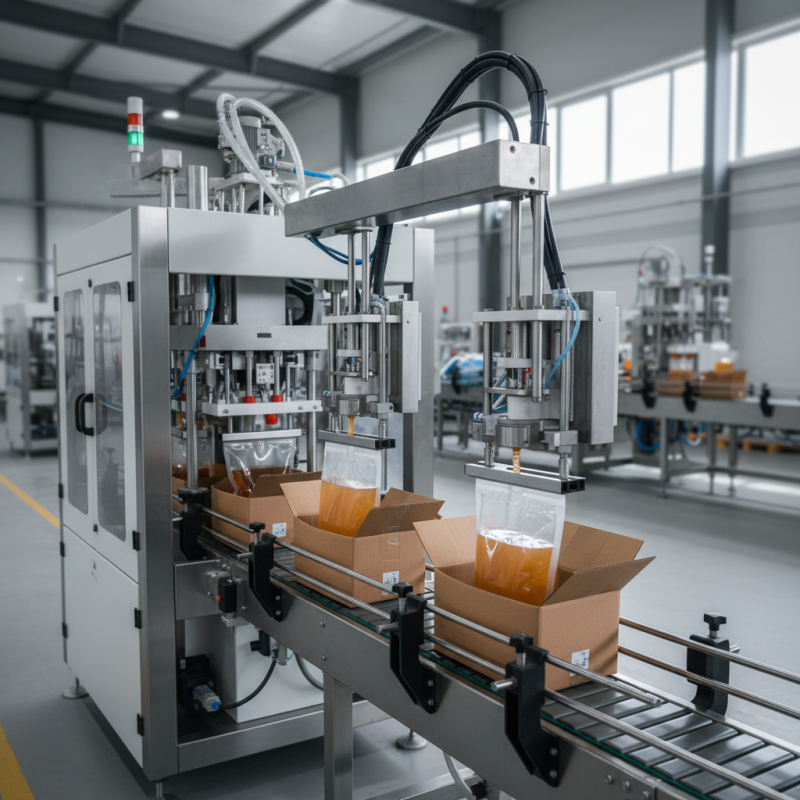
When selecting the right bag in box filling machine, it's essential to understand its key components and the types available. Typically, these machines consist of parts like the filling head, control system, and bag support. The filling head ensures accurate dispensing of liquids, while the control system manages the process.
One crucial type is the gravity-fed machine. It uses gravity to fill bags quickly. Another option is the pump-driven machine. It provides more control, especially for thicker liquids. Each type serves different needs. Evaluate your production volume and liquid viscosity to choose wisely.
**Tips:** Always consider the size of the bags you will be using. Smaller bags may require different machinery compared to larger ones. It’s also essential to assess the ease of cleaning the machine, especially if you switch products frequently.
Look into the machine's speed. High-speed machines are great, but not all products need rapid filling. Sometimes, slower speeds can lead to better quality. Take time to reflect on what your operational needs truly are.
Evaluating Production Capacity: How Speed Affects Your Business Needs
When selecting a bag-in-box filling machine, evaluating production capacity is crucial. Speed directly influences your business’s efficiency and output. A faster machine means more filled boxes per hour. However, higher speeds require regular maintenance to avoid malfunctions. Finding the sweet spot between speed and reliability is essential.
Consider your production demands. If your business encounters fluctuating orders, a versatile machine may be a better choice. On the other hand, if your output is consistent, a faster machine could enhance productivity. Always analyze your current and projected needs before making a decision.
Tip: Regularly assess your production rates. This will help identify if your machine meets your expectations. Investing in a high-speed model may not be wise if your demand is low. Also, ensure that staff can operate the equipment properly. Training minimizes errors and maximizes speed.
Don't overlook the importance of a well-designed filling system. Clunky setups can hinder speed and create delays. Ensure that your production line flows smoothly. Identify any potential bottlenecks and address them early.
Production Capacity of Bag in Box Filling Machines
This chart illustrates the production capacity of various bag in box filling machine models, showcasing their filling speeds. Understanding these metrics can help you choose the right machine that meets your production requirements effectively.
Assessing Compatibility: Choosing the Right Bag Types and Sizes
When selecting a bag in box filling machine, size and type of the bags are critical. Different products require different bags. For instance, a study by the Flexible Packaging Association highlights that over 20% of food packaging uses flexible formats. Understanding your product's needs is essential.
Compatibility between the bag size and the machine matters greatly. A bag that's too large can lead to waste, while one that's too small may cause spills. Data from a recent industry report indicates that improper sizing can cause up to a 15% increase in material costs. Moreover, not all filling machines work well with every bag design.
Several bag types exist, including spouted and flat ones. Each serves unique applications. Choosing the right type can minimize errors and enhance efficiency. However, some machine specifications can limit bag versatility. It's crucial to reflect on your choices and ensure alignment with production goals. Selecting an inappropriate bag type may lead to frequent adjustments, disrupting workflow and costing time. Proper assessment of these factors prevents issues down the line.
How to Choose the Right Bag in Box Filling Machine for Your Needs? - Assessing Compatibility: Choosing the Right Bag Types and Sizes
| Bag Type |
Size (Liters) |
Material |
Sealing Type |
Compatible Machines |
| Plastic |
3, 5, 10 |
PE |
Heat Seal |
Model A, Model B |
| Paper |
1, 2, 5 |
Kraft |
Glued |
Model C, Model D |
| Composite |
10, 20, 30 |
Aluminium Layer |
Cold Seal |
Model E, Model F |
| Foil |
5, 10, 15 |
Aluminium |
Heat Seal |
Model G, Model H |
Maintenance and Reliability: Factors to Minimize Downtime
Maintenance and reliability are crucial factors when choosing a bag-in-box filling machine. A well-maintained machine can significantly reduce downtime, leading to increased productivity. Regular inspections are essential. Check seals, hoses, and valves frequently. Small issues can escalate quickly; ignoring them may halt production.
Training staff is vital. They should understand machine operations and maintenance protocols. A knowledgeable team can troubleshoot minor problems without external help. Consider implementing a maintenance schedule. This proactive approach can prevent unexpected failures. Many operators overlook routine checks, thinking everything is fine until it’s too late.
Investing in high-quality components also pays off. Look for machines built with durable materials. They may cost more initially but can save money in repairs down the line. It’s essential to assess your workload. If you have high-volume needs, opt for machines that are designed for heavy use. Unreliable equipment leads to frustration. Strive for a balance between cost and reliability. A cheaper machine may not always be the best option.
Cost Analysis: Balancing Initial Investment and Long-term Savings
When selecting a bag in box filling machine, cost plays a crucial role. Consider the initial investment and the long-term savings. For many businesses, the purchase price is only one factor. Think about ongoing operating costs, maintenance, and potential downtime. A cheaper machine may lead to higher expenses later.
Tips: Evaluate each model's efficiency. An efficient machine can reduce labor costs. Consider its energy consumption too. Sometimes, a more costly upfront investment yields substantial savings in energy bills or fewer repairs over time.
It's essential to analyze your production scale. A machine that perfectly fits your needs prevents overspending. However, if future growth is anticipated, opt for a versatile model. This could mean paying more now but saving on future upgrades. Weigh the pros and cons of adaptability in your decision-making. A balance between initial cost and future savings ensures a wise investment.