2026 How to Choose the Best Fruit Juice Processing Equipment?
Selecting the right fruit juice processing equipment can be a challenging task. The market offers a wide range of options, each with unique features. It's essential to understand what best suits your production needs. Equipment selection can significantly impact efficiency and the quality of juice produced.
Consider factors like the type of fruits you'll process and the scale of your operation. High-quality juice processing equipment can improve taste and shelf life. Look for machines that offer reliability and energy efficiency. User-friendly designs are worth considering. They make the training process easier for staff.
It's crucial to evaluate brands and their reputations. Some manufacturers have more experience, leading to better product reliability. Reading client reviews can provide insights into real-world performance. Choosing the right fruit juice processing equipment is about aligning technology with your specific goals. Reflect on your needs and invest wisely for long-term benefits.
Overview of Fruit Juice Processing Equipment Types and Their Functions
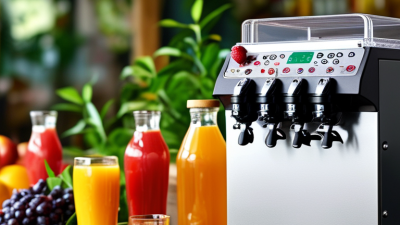
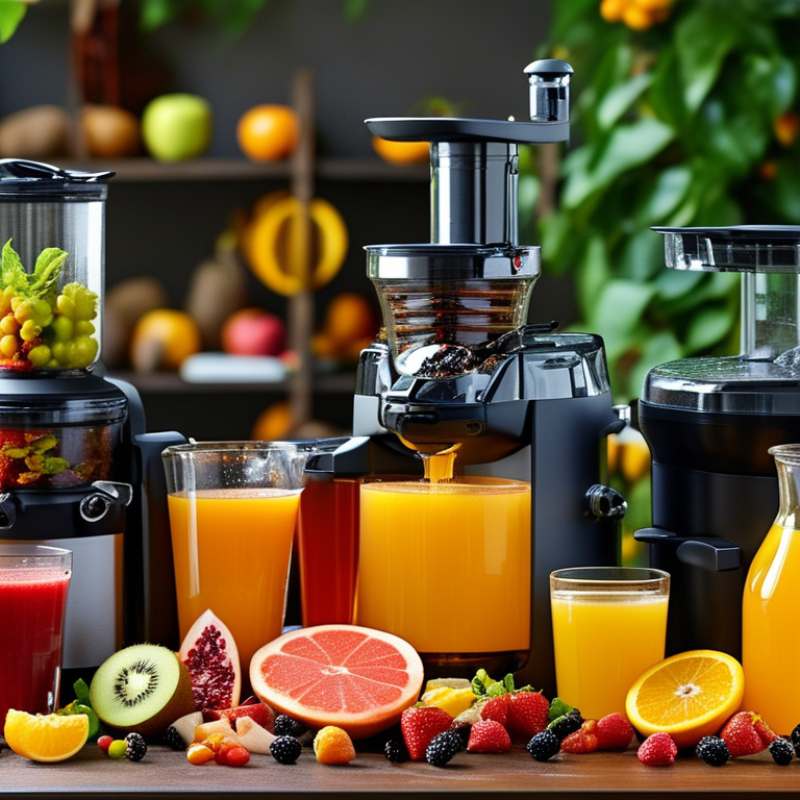
When selecting fruit juice processing equipment, understanding the various types is crucial. Equipment generally falls into categories such as juicers, extractors, and pasteurizers. Each type plays a distinct role in the production process. Juicers tend to extract juice rapidly and efficiently. Extractors, on the other hand, emphasize maximizing juice yield. According to industry reports, advanced extractors can increase yield by up to 30%, which can significantly impact profitability.
Pasteurization is another essential step. It ensures the juice is safe for consumption. Studies show that proper pasteurization can reduce microbial load by 99.9%. This step prolongs shelf life, making the juice more marketable. In the current market, where consumer safety is paramount, this equipment's reliability is critical.
Budget considerations can complicate decisions. Investing in top-tier equipment generally translates into enhanced efficiency and reduced waste. However, less expensive options might require more frequent repairs. This can lead to increased downtime and operational costs. Assessing the balance between cost and quality is necessary for fruitful decision-making.
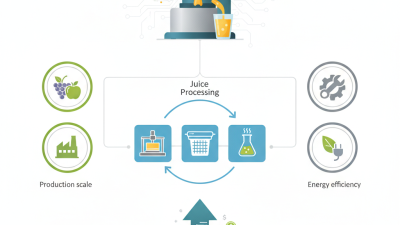
Fruit Juice Processing Equipment Types and Their Functions
Key Factors to Consider When Choosing Fruit Juice Processing Equipment
Choosing fruit juice processing equipment requires careful consideration of various factors to optimize production and ensure quality. One critical aspect is the equipment's capacity. According to industry reports, understanding the volume of juice production needed can guide the choice of machinery. Higher capacity equipment can be cost-effective but may require significant upfront investment. For smaller operations, it’s essential to balance capacity with budget constraints.
Efficiency is another vital factor. Machines that ensure minimal waste during processing can boost profitability. A report by the Food and Agriculture Organization highlights that an estimated 20-40% of fruits are wasted during processing. Choosing equipment with advanced technologies, like cold pressing or vacuum processing, can help reduce this waste significantly. Additionally, flexibility in processing various fruit types can enhance operational adaptability, catering to market demands.
Maintenance needs should also not be overlooked. Equipment that is difficult to maintain or requires specialized training can hinder productivity. Regular maintenance schedules need consideration in the decision-making process. A well-maintained machine not only extends its lifespan but also ensures consistent quality in juice production. Investing in reliable equipment is essential but might require future adjustments to align with actual market needs.
Comparative Analysis of Production Capacities and Efficiency Metrics
When selecting fruit juice processing equipment, understanding production capacities and efficiency metrics is crucial. Various machines available in the market display differing production capacities. Higher capacity machines can process more fruit per hour. However, higher capacity doesn’t always mean better efficiency. Sometimes, machines with lower capacities achieve higher juice yields due to advanced extraction technologies.
In evaluating efficiency metrics, consider factors like energy consumption and downtime. Equipment that uses less energy can lead to cost savings. Analyze the downtime rates of machines. Frequent breakdowns can affect production schedules and impact overall efficiency. Reliable equipment ensures a consistent production flow and reduces unexpected costs.
Tips: Always test the equipment before purchase. This helps you gauge how well it meets your operational needs. Additionally, consult with industry experts who have experience with specific machines. Their insights can provide valuable information that might not be apparent in technical specifications. Remember, thorough research prevents costly mistakes later.
Understanding the Role of Technology in Modern Juice Processing Equipment
In modern juice processing, technology plays a pivotal role. Machines equipped with advanced sensors can monitor fruit quality. This ensures only the best fruits are selected for juicing. Automation reduces human error, enhancing efficiency in production. Juicing technology has evolved to incorporate high-pressure processing. This method retains nutrients and flavor better than traditional methods.
While technology brings many benefits, it also poses challenges. Not all machinery is user-friendly, and operators must be trained properly. Equipment downtime can occur due to technical failures, impacting production schedules. Regular maintenance is essential to avoid unexpected breakdowns. The right technology should balance efficiency and user experience.
Moreover, environmental considerations are crucial. Energy-efficient machines can lower operational costs and carbon footprints. However, investing in the latest technology might strain budgets. Businesses must consider both short-term and long-term benefits. Finding a reliable supplier who understands the latest innovations is critical for success. Ultimately, the best equipment meets operational needs while embracing technological advancements.
Evaluating Cost-Effectiveness and ROI for Juice Processing Solutions
When selecting fruit juice processing equipment, cost-effectiveness and ROI are crucial. Industry reports indicate that the juice processing industry is projected to grow at a CAGR of 4.5% from 2021 to 2026. This growth emphasizes the importance of investing wisely in equipment. Understanding long-term costs, maintenance needs, and operational efficiency can lead to better profitability over time.
Smart investments in juice processing can reduce waste and enhance productivity. Analyze the energy consumption of machines. A report from the Food Processing Institute notes that energy-efficient equipment can save up to 30% in operational costs. Consider not just purchase prices but also ongoing expenses. Equipment that seems cheaper upfront could lead to higher long-term expenses if it is not efficient.
Evaluate warranties and support from manufacturers. Experts suggest that equipment with comprehensive service agreements often provides better ROI. Regular maintenance is vital for longevity. Even with reliable equipment, operational hiccups can occur, affecting overall productivity. Striking a balance between cost, efficiency, and support can be challenging but is essential for maximizing returns in fruit juice processing.