Why is Fruit and Vegetable Processing Essential for Global Trade?
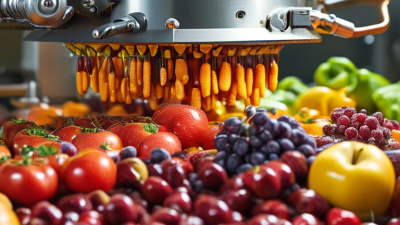
Fruit and vegetable processing plays a crucial role in global trade. According to the Food and Agriculture Organization (FAO), the global market for processed fruits and vegetables is projected to reach $1 trillion by 2025. This growth highlights the increasing demand for nutritious and convenient food options. Processing extends shelf life and enhances food safety, which is vital in a world where about one-third of all food produced is wasted.
The industry faces challenges. Many farmers lack access to modern processing technologies. This can lead to reduced quality and financial losses. For example, nearly 45% of tropical fruits harvested in developing countries are discarded due to inadequate processing methods. Improving these practices is essential for reducing waste and enhancing market access.
Moreover, consumers are becoming more health-conscious. They seek fresh, ready-to-eat products. The demand for minimally processed fruits and vegetables is rising. This shift impacts how products are processed and marketed. The ability to adapt to these changes will be a key indicator of success in the fruit and vegetable processing sector.
Role of Fruit and Vegetable Processing in Enhancing Shelf Life
Fruit and vegetable processing plays a crucial role in enhancing shelf life and ensuring global trade efficiency. According to the Food and Agriculture Organization (FAO), nearly one-third of all fruits and vegetables produced for human consumption are wasted each year, primarily due to spoilage. Processing can significantly reduce this waste. For instance, techniques like freezing and canning can extend the shelf life of fruits and vegetables by months, if not years. This means that products can reach distant markets without losing quality.
In 2021, the global fruit and vegetable processing market was valued at approximately $200 billion. A report from Research and Markets indicated that this sector is projected to grow steadily, driven by consumer demand for convenient, longer-lasting food options. Processed fruits and vegetables come packed with nutrients. However, concerns exist about potential nutrient loss during processing. Some methods may lead to reduced vitamin content, which needs more attention from both producers and consumers.
Although processed products provide convenience, they also risk introducing additives or preservatives that many consumers avoid. Finding a balance between preservation and health is essential. The industry must adapt to these challenges and prioritize transparency. Consumers are more informed today; they seek healthier processed options. Sustainability can also be a focus, as eco-friendly processing methods emerge. The future of fruit and vegetable processing will depend on addressing these critical aspects.
Impact of Processing on Nutritional Value and Food Safety Standards
Fruit and vegetable processing plays a vital role in global trade. It enhances the nutritional value and ensures food safety. According to the Food and Agriculture Organization (FAO), processed fruits and vegetables can have up to 50% more vitamins compared to fresh produce, especially when they are dehydrated or canned promptly after harvesting. This nutrient preservation is crucial for meeting the demands of consumers who seek health benefits from their diets.
Moreover, processing helps in adhering to food safety standards. The World Health Organization (WHO) states that proper processing can significantly reduce the presence of harmful pathogens. For example, pasteurization can eliminate bacteria like Salmonella and E. coli. However, it is essential to note that improper processing practices can result in nutrient loss and potential food safety hazards. Inadequate temperature control during processing can decay the product's quality and safety.
The challenge lies in balancing efficiency and quality. While processing allows for longer shelf life and convenience, it can inadvertently lead to a dependence on preservatives and artificial additives. In 2021, a report indicated that nearly 30% of processed food products in the market contained added sugars. This raises concerns about overall diet quality and health. The industry must continuously innovate to improve methods that protect both the nutritional integrity and safety of processed fruits and vegetables.
Impact of Fruit and Vegetable Processing on Nutritional Value and Food Safety Standards
This chart illustrates the nutritional value of raw versus processed fruits and vegetables, indicating their nutrient density scores. Raw fruits and vegetables typically have higher nutritional values compared to their processed counterparts, although processing can enhance food safety and shelf-life.
Economic Benefits of Processed Fruits and Vegetables in Global Markets
The global market for processed fruits and vegetables continues to grow. This sector provides economic benefits across various regions. Companies can create employment through processing plants. Local farmers gain from consistent demand for their raw produce. This demand stabilizes income, reducing economic risks in agricultural communities.
Processed fruits and vegetables take on unique forms. They are canned, frozen, or dried, ensuring long shelf life. This versatility allows producers to reach markets far from their origin. Consumers benefit from convenience and nutrition, making these products desirable. Yet, challenges persist. Over-processing can reduce nutrient content, which raises concerns. Striking a balance between processing and preserving nutrition is vital.
Logistics also play a key role in this economic landscape. Efficient supply chains are essential for distributing processed foods. Improving these systems leads to cost reductions, boosting profitability. However, investment in infrastructure can sometimes fall short. Regions with outdated facilities face obstacles in competing globally. Recognizing these issues is crucial for long-term success in fruit and vegetable processing.
Why is Fruit and Vegetable Processing Essential for Global Trade?
| Category |
Global Trade Value (USD Million) |
Annual Growth Rate (%) |
Top Exporting Region |
| Canned Vegetables |
2,500 |
5.2 |
North America |
| Frozen Fruits |
3,200 |
6.8 |
Europe |
| Dried Fruits |
1,800 |
4.5 |
Middle East |
| Juices |
4,000 |
7.0 |
Latin America |
| Packaged Salads |
1,200 |
3.9 |
Asia-Pacific |
Sustainability Challenges in the Fruit and Vegetable Processing Sector
Sustainability challenges in the fruit and vegetable processing sector are becoming increasingly pronounced. The high demand for processed foods puts pressure on resources. Many producers struggle to maintain eco-friendly practices while ensuring quality and safety. This often leads to waste, as a large percentage of fruits and vegetables are discarded during processing due to aesthetic standards.
Understanding these challenges is key. Eco-friendly methods can reduce waste and enhance quality. Water use management is crucial in processing plants. Many facilities still rely on outdated systems that waste water. Investing in modern, efficient technologies can make a significant difference.
Adopting a circular economy approach can also help. By repurposing by-products, processors can minimize waste. For example, pulp from juice extraction can be transformed into natural fibers for packaging. Engaging consumers in sustainability practices can create demand for responsibly processed products. Such efforts require collaboration among producers, consumers, and policymakers to ensure long-term viability.
Technological Innovations Driving Efficiency in Processing Techniques
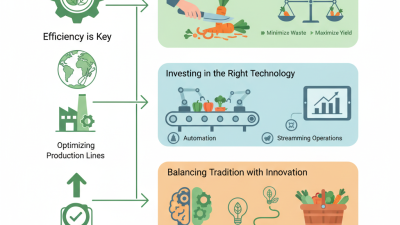
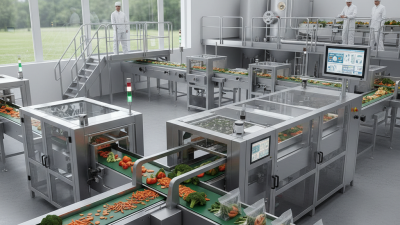
Technological innovations are revolutionizing fruit and vegetable processing. Automation is at the forefront, enhancing efficiency in packing and sorting. According to industry reports, automated systems can reduce labor costs by up to 30%. This efficiency is vital as global demand for processed fruits and vegetables increases. Consumers desire convenience without sacrificing freshness.
Smart technology plays a significant role as well. Sensors and AI monitor quality and ripeness in real-time. This leads to better decision-making and waste reduction. Data from the Food and Agriculture Organization indicates that about one-third of produce is lost post-harvest. With improved processing techniques, this figure could decrease significantly.
Yet, challenges remain. Implementing these technologies requires investment and training. Smaller businesses often struggle to keep up with advancements. They may also face barriers in adopting sustainable practices. By addressing these obstacles, the industry can drive progress and ensure efficient fruit and vegetable processing for global trade. The road ahead holds promise, but reflection on existing practices is essential.