Top 10 Manual Bag in Box Fillers for Efficient Beverage Packaging?
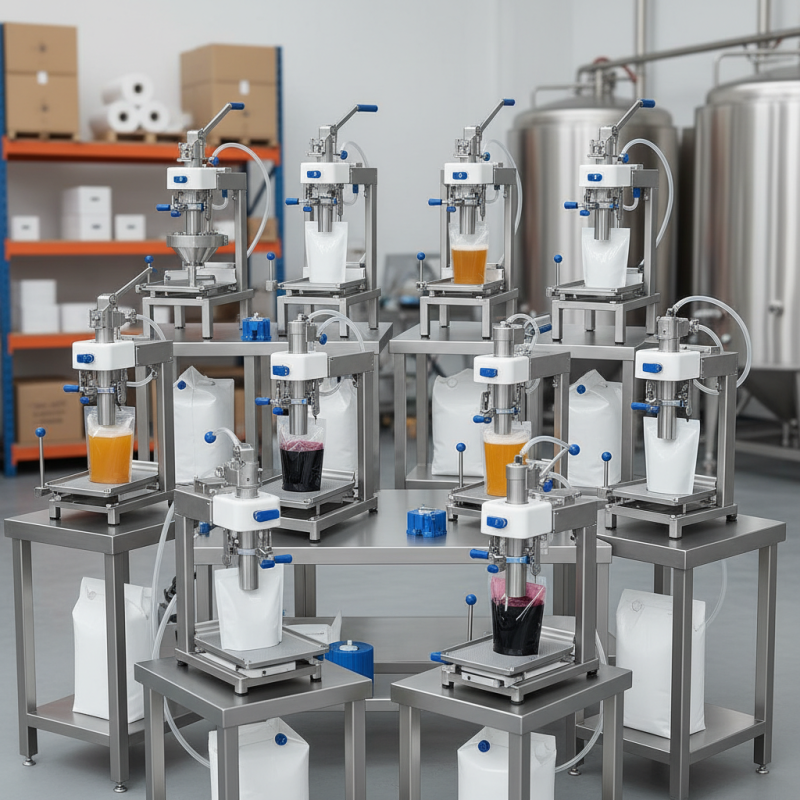
When it comes to beverage packaging, a manual bag in box filler is essential for efficiency. These fillers stand out for their simplicity and ease of use. Many businesses appreciate the flexibility they offer. From small-scale producers to larger enterprises, manual fillers cater to diverse needs.
Choosing the right manual bag in box filler can be overwhelming. The variety of models available complicates the decision-making process. Each filler comes with its unique features and specifications. Some may lack the precision required for certain products. This demands careful thought and consideration.
In this article, we explore the top 10 manual bag in box fillers. Each option offers distinctive benefits and potential drawbacks. Understanding these factors will help you make an informed choice. In the end, the ideal filler should enhance productivity and meet your packaging goals.
Overview of Bag in Box Filling Technology
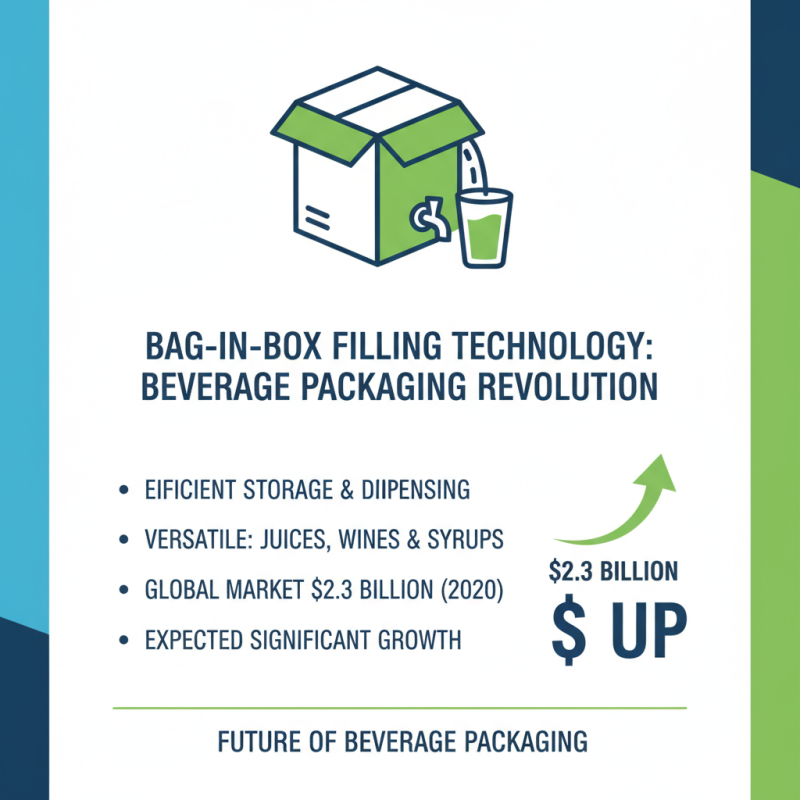
Bag in box (BIB) filling technology has transformed beverage packaging. This system allows liquid products to be stored and dispensed efficiently. The flexibility of BIB systems caters to various beverage types, including juices, wines, and syrups. According to industry reports, the global bag in box packaging market was valued at approximately $2.3 billion in 2020 and is expected to grow significantly.
Using BIB systems is effective for reducing waste. The inner pouch collapses as liquid is dispensed, minimizing air exposure. This ensures a longer shelf life for products. Additionally, the filling process is streamlined, allowing for a high-speed operation that can exceed 500 bags per hour. This efficiency is appealing to manufacturers looking to enhance production capabilities.
Tips: Select a filler that matches your product’s viscosity. This will help avoid clogging and ensure a smooth operation. Regular maintenance of filling machines is essential for optimal performance. Equipment wear can lead to inconsistencies, impacting product quality. Always assess the filling accuracy to maintain customer satisfaction.
Factors to Consider When Choosing Manual Fillers
Choosing a manual bag in box filler requires careful consideration. You need to think about the materials being filled. Different beverages can react uniquely with various materials. For example, acidic drinks may require specific types of liners. Compatibility is crucial for quality.
Ease of use is another significant factor. An intuitive design can reduce filling time. This can be especially important in high-demand settings. A cumbersome machine will slow down operations. Ergonomics matter too. A well-designed unit minimizes strain during filling processes.
Cleaning and maintenance insights are often overlooked. Regular maintenance is essential for prolonged usage. Some fillers are easier to clean than others, which can save time. However, simpler designs may lack advanced features. Finding a balance between ease of use and functionality is tricky. A wrong choice here can lead to inefficiencies down the road.
Top 10 Manual Bag in Box Fillers for Efficient Beverage Packaging
Top Manual Bag in Box Fillers for Different Beverage Types
When it comes to beverage packaging, selecting the right manual bag in box fillers can make a significant difference. Different types of beverages require unique filling techniques. For instance, juices need precise pouring to avoid spills, while wine requires careful handling to prevent oxidation. High-quality fillers allow for a controlled flow, ensuring that every bag is filled evenly without wasting product. Each beverage type brings its own challenges.
Consider the nuances of filling creamy beverages versus carbonated drinks. Creamy drinks can clog equipment if not properly managed, while carbonated options may cause excessive foam if filled too quickly. Some manual fillers allow users to adjust the flow rate, accommodating various viscosities. This flexibility is crucial for achieving consistent results. It’s essential to regularly clean and maintain the equipment to avoid cross-contamination between different beverage types.
Additionally, the level of training provided to operators can significantly impact efficiency. Mistakes made during the filling process can lead to costly errors. For example, untrained staff may overfill, resulting in wasted product or leaks. Careful planning and continued training sessions can help ensure that operators are confident and skilled. The goal is to enhance productivity while maintaining quality. Choosing the right manual bag in box fillers is key to achieving that balance.
Comparison of Efficiency and Output of Popular Fillers
When selecting manual bag-in-box fillers, efficiency and output are crucial considerations. Many options exist, each with unique features. A consistent filling speed is necessary, as variations can lead to waste. Certain fillers struggle with thicker liquids, causing delays. It's essential to choose a model that suits your beverage type.
Evaluating different models involves looking at fill rates and ease of operation. Some fillers require more manual adjustments, which can slow down production. Simple designs often yield higher outputs. However, complexity sometimes brings advantages in precision. Finding the right balance is vital for maximizing efficiency.
User feedback highlights the importance of maintenance. Some fillers may experience frequent breakdowns or complications. This can impact overall productivity. A user-friendly system with straightforward troubleshooting can mitigate downtime. Analyzing these factors will help create a smoother filling process, enhancing productivity and ensuring quality beverage packaging.
Maintenance and Best Practices for Manual Fillers
When using manual bag-in-box fillers, maintenance is crucial. Regular cleaning helps to prevent contamination and ensures quality. A simple rinse after each use can do wonders. However, many operators overlook this step. It’s easy to forget when busy, but neglecting it can lead to bigger issues.
Checking seals and fittings periodically is also essential. Over time, wear and tear can cause leaks. It might seem minor, but even small leaks can affect efficiency. Operators often miss these details. Staying vigilant about these checks can enhance performance greatly.
Lastly, training staff on operation best practices is vital. Even a simple error can disrupt the filling process. While many are well-trained, some might still make mistakes under pressure. Continuous training can help address this, ensuring a smoother workflow and better outcomes.
Top 10 Manual Bag in Box Fillers for Efficient Beverage Packaging
| Model |
Fill Rate (Liters/Min) |
Compatibility |
Ease of Use |
Maintenance Frequency |
| Model A |
5 |
Juices, Syrups |
Easy |
Monthly |
| Model B |
7 |
Beverages, Wines |
Moderate |
Weekly |
| Model C |
4 |
Soda, Water |
Easy |
Monthly |
| Model D |
6 |
Dairy Products |
Moderate |
Bi-weekly |
| Model E |
8 |
Cocktails, Mixers |
Difficult |
Weekly |
| Model F |
3 |
Tea, Infusions |
Easy |
Monthly |
| Model G |
5 |
Sauces, Dressings |
Moderate |
Bi-weekly |
| Model H |
4 |
Cocktails, Juices |
Easy |
Weekly |
| Model I |
6 |
Wines, Spirits |
Difficult |
Monthly |
| Model J |
8 |
Carbonated Beverages |
Easy |
Weekly |