Top 10 Vegetable Processing Equipment Options for Efficient Production
In today's fast-paced food industry, efficient production is essential. “The right vegetable processing equipment can transform waste into profit,” says Dr. Alice Tucker, an expert in food technology. As demand for processed vegetables rises, producers must adapt to meet consumer needs while maximizing output.
Choosing the right vegetable processing equipment is critical. Various options exist, each with unique features aimed at enhancing productivity. From cutters to blanchers, each piece plays a significant role in the processing line. However, not every machine fits every operation. Businesses often find themselves grappling with high costs or equipment that doesn't align with their production goals.
Investing in the right tools is not a one-size-fits-all approach. Many companies spend significantly on high-tech machinery, only to observe marginal returns. It’s vital to analyze your specific requirements and make informed decisions. The journey toward efficient production is complex but worthwhile. Balancing innovation with practicality can lead to remarkable improvements in the processing of vegetables.
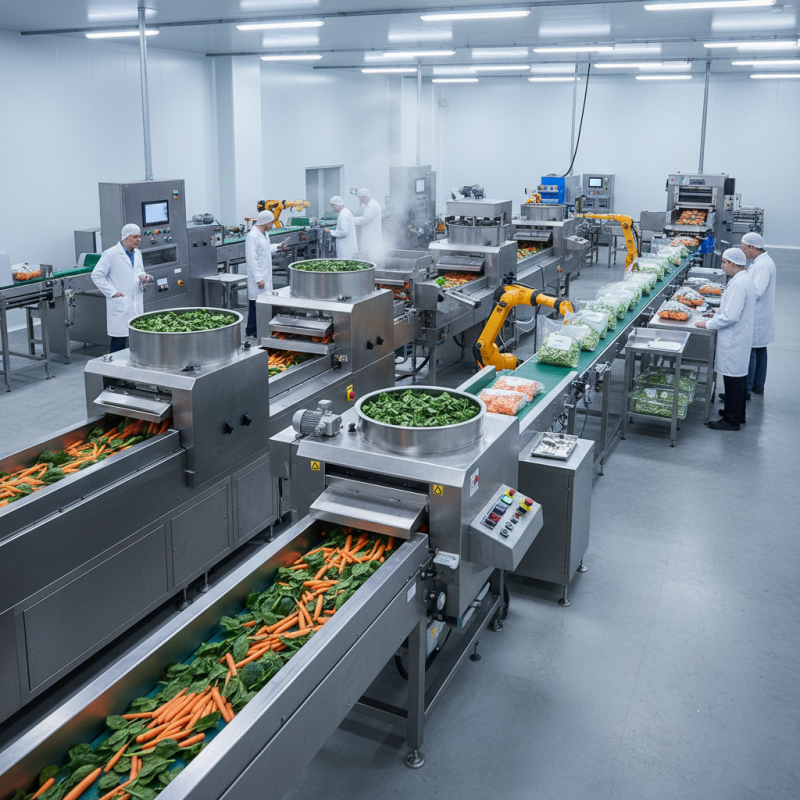
Understanding the Importance of Vegetable Processing Equipment
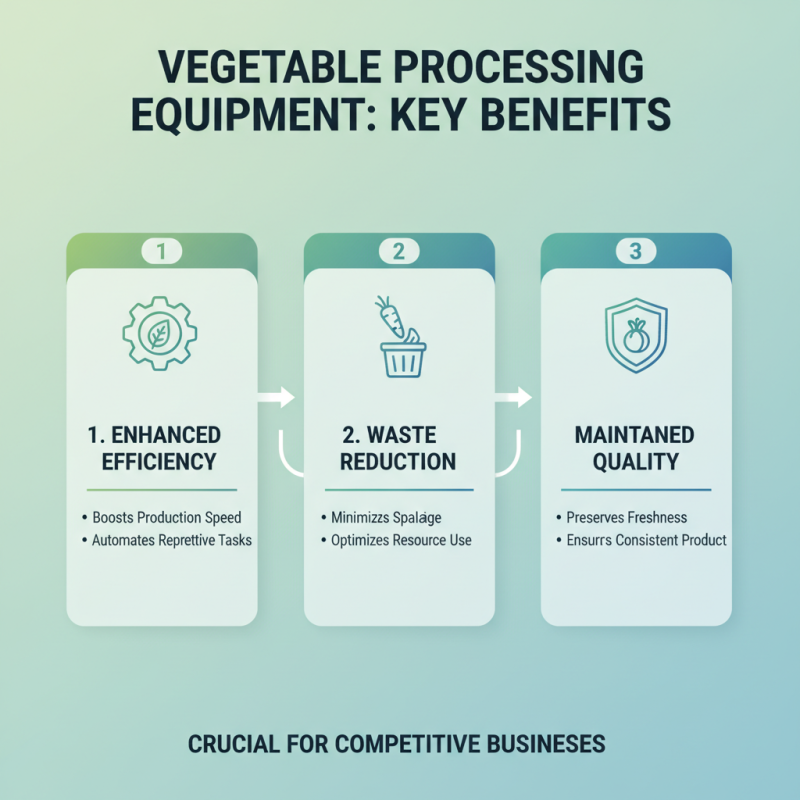
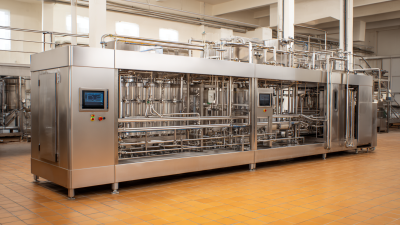
Vegetable processing equipment plays a crucial role in ensuring efficient production. These machines can significantly enhance productivity and reduce waste. They help maintain the quality of vegetables from raw to finished products. Understanding its importance is vital for businesses aiming to thrive in a competitive market.
Investing in the right equipment makes a big difference. For instance, a good cutting machine can ensure uniformity in size, which is essential for cooking and presentation. Additionally, quality washing equipment can remove dirt and pesticides effectively. This attention to detail is key for safety.
**Tips:** Always conduct regular maintenance on equipment. Neglecting this can lead to breakdowns and wasted time. Also, consider staff training to ensure everyone operates machines correctly. Mistakes can lead to accidents or product loss. Quality control must be a priority during processing.
Key Features to Look for in Vegetable Processing Machinery
When selecting vegetable processing machinery, key features are crucial for efficiency. Speed and precision are paramount. Equipment capable of handling 1,000-3,000 kilograms of vegetables per hour can drastically improve yield. Studies show that automated systems reduce labor costs by up to 30%. This automation increases consistency in product quality.
Versatility is another essential feature. Machines should handle various vegetables, from leafy greens to root crops. This adaptability allows businesses to respond quickly to market demands. A report from the Food Processing Association indicates that companies with versatile processing lines see a revenue increase of 15-25%.
Hygiene standards cannot be overlooked. Easy-to-clean designs help prevent contamination. Materials used for construction should be rust-resistant and non-corrosive. According to safety guidelines, 40% of food recalls are due to microbial contamination. Investing in the right machinery can mitigate such risks.
Uptime and maintenance ease also matter. Machines that require frequent repairs can lead to costly downtime. Regular maintenance checks can enhance durability and performance, but identifying machines that require less upkeep is key.
Top 10 Vegetable Processing Equipment: A Detailed Overview
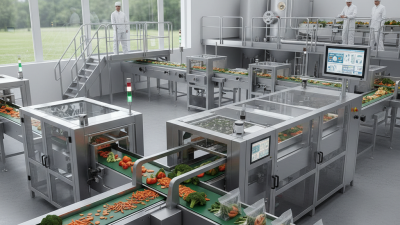
Efficient vegetable processing is crucial for maximizing productivity in today's fast-paced food industry. The global vegetable processing market was valued at approximately $298 billion in 2022 and is expected to grow. This growth opens up more opportunities for manufacturers to invest in advanced equipment. Some key processing equipment includes cutters, peelers, and sorters, each designed to enhance efficiency.
One consideration in selecting these machines is the energy consumption. For instance, steam blanching machines must maintain optimal energy levels for peak performance. However, reports indicate many processors still face significant energy waste due to outdated systems. This inefficiency can lead to substantial cost implications. Moreover, training staff to effectively use new equipment can be a challenge, causing production delays.
Another point of concern is the maintenance of machinery. Regular servicing is essential, yet many facilities overlook necessary upkeep. According to industry data, improper maintenance can reduce equipment lifespan by up to 30%. Ensuring staff is well-trained in maintenance practices can help mitigate these risks and improve overall production efficiency.
Comparative Analysis of Performance and Efficiency Among Equipment
In the vegetable processing industry, efficiency is paramount. Equipment performance directly impacts production costs and product quality. Recent studies indicate that automated cuttings can increase output by 30% while maintaining consistent quality. This is crucial, especially as demand for processed vegetables rises worldwide.
Different processing machines vary in energy consumption and operational speed. For instance, high-capacity blanchers often consume 15% more energy than smaller models. However, they might justify this through faster processing times. Evaluating these trade-offs can be complex. Some producers find it challenging to balance initial investment costs with long-term savings.
Moreover, maintenance issues can hinder efficiency. Reports show that 25% of equipment downtime is due to avoidable maintenance. Regular upkeep ensures smoother operations and enhances the overall lifespan of machines. It’s essential for businesses to analyze their equipment's performance and adapt strategies accordingly. A keen eye on operational metrics can reveal potential improvements.
Future Trends in Vegetable Processing Technology and Equipment
As vegetable processing technology evolves, several trends reshape the industry. Automation is at the forefront. Machines now handle tasks like sorting and cutting with precision. This boosts efficiency, but introduces challenges. Many workers may feel insecure about their jobs. Balancing technology and workforce is crucial.
Sustainability plays a vital role in future equipment. Manufacturers are focusing on reducing waste and energy. For example, water recycling systems are gaining popularity. They minimize resource use and lower costs. However, implementing new systems requires investment and careful planning.
Consumer preferences also drive changes in processing. There is a growing demand for organic and fresh produce. This shift compels equipment makers to adapt. Machines must ensure quality while meeting safety standards. But the rapid pace of change can overwhelm companies. They must embrace innovation but also reflect on their strategies.