2026 Top Vegetable Washer Features You Must Know?
When it comes to preparing fresh produce, a vegetable washer is an essential tool for any kitchen. In 2026, the market offers advanced options to enhance your washing experience. These machines not only clean vegetables efficiently but also ensure safety and hygiene. The right vegetable washer can eliminate harmful pesticides and bacteria, giving you peace of mind.
Many people overlook the importance of using a vegetable washer. A quick rinse under water may seem sufficient, but it often isn’t. Investing in a high-quality vegetable washer can save time while providing a deeper clean. Imagine the satisfaction of knowing your vegetables are free from harmful contaminants.
However, not all vegetable washers are created equal. Some may lack features that truly make a difference. It is important to consider factors like effectiveness, ease of use, and durability. Choosing a vegetable washer requires research and reflection. Understanding your needs will guide you in making the right choice for your kitchen.
Essential Functions of a Vegetable Washer for Home Use
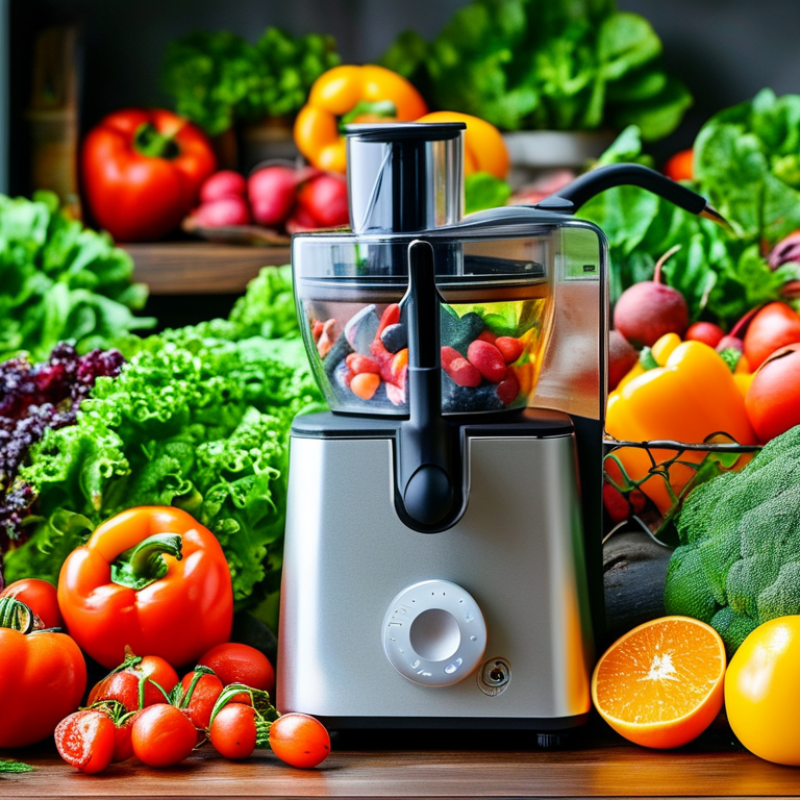
A vegetable washer designed for home use offers essential functions that elevate food safety. One key feature is effective removal of pesticides. Many leafy greens harbor residues. A thorough wash can help mitigate these risks.
Another important function is the removal of dirt and bacteria. Most vegetables go through various handling processes before reaching your kitchen. Washing them properly minimizes harmful contaminants. Using a vegetable washer ensures a consistent and reliable clean, especially for root vegetables.
Ease of use is also a crucial aspect. Many models feature simple controls and automatic programs. This can simplify your routine, allowing more time for cooking. However, it is easy to overlook maintenance. Regular cleaning of the washer itself is vital for optimal performance. Ignoring this may lead to bacteria buildup in the washer.
2026 Top Vegetable Washer Features You Must Know
| Feature |
Description |
Importance |
Average Price |
| Multi-functionality |
Cleans fruits and vegetables, removes pesticides, and can sanitize food. |
High |
$150 |
| Ultrasonic Cleaning |
Uses ultrasonic waves to remove dirt and contaminants effectively. |
Medium |
$200 |
| Ease of Use |
Simple controls and easy setup for all users. |
High |
$120 |
| Energy Efficiency |
Low energy consumption to save on utility bills. |
Medium |
$140 |
| Compact Design |
Space-saving design suitable for small kitchens. |
High |
$110 |
Comparative Analysis of Different Vegetable Washer Technologies
When it comes to vegetable washing technologies, understanding the various features can significantly enhance food safety and preparation. Different systems employ unique methods, including ultrasonic waves, ozone cleaning, and high-pressure jets. Each technology highlights its strengths but also presents specific limitations. For instance, ultrasonic cleaners use sound waves to dislodge dirt, but they may not eliminate all pesticide residues effectively.
In comparison, ozone-based washers are known for their sanitizing properties. This technology can kill bacteria and viruses, providing a higher level of safety. However, the effectiveness of ozone diminishes in the presence of organic matter. High-pressure jets can thoroughly clean surfaces, but they might damage delicate vegetables. Evaluating these technologies requires considering both their advantages and drawbacks.
While these advanced methods promise efficiency, users often overlook critical factors such as maintenance and user-friendliness. Many systems require intricate setups, leading to unnecessary frustration. The balance between effective cleaning and ease of use remains a challenge. As technology evolves, continual reassessment of these features can only improve kitchen experiences.
Key Factors Influencing Vegetable Washer Performance
When exploring vegetable washers, several key factors influence their performance. One of the most critical elements is the washing mechanism. Different models utilize various techniques, such as ultrasonic or agitation-based cleaning. Ultrasonic washing offers deep cleaning through sound waves. However, it may not be efficient for larger batches of vegetables.
Another factor is the capacity of the washer. Models vary widely, depending on household size and usage frequency. A smaller unit might be adequate for an individual. Larger households may struggle with capacity constraints. If a washer cannot handle the volume, users might find themselves washing in batches, reducing efficiency.
Water quality also plays a significant role in performance. Hard water can leave residues on vegetables, making them less appealing. Regular maintenance of the washer is essential to ensure its longevity and effectiveness. Neglecting this aspect may lead to a decline in washing performance over time. These practical insights can guide buyers in making informed decisions when selecting a vegetable washer.
User-Friendly Features for Efficient Vegetable Washing
When it comes to efficient vegetable washing, user-friendly features are essential. Research shows that proper washing can remove up to 98% of pesticides from fresh produce. This is crucial for health-conscious consumers. A top vegetable washer should offer easy-to-use controls, allowing users to select their preferred washing mode. Intuitive designs reduce the learning curve and make operation straightforward.
One must consider the importance of effective water circulation during washing. A steady stream not only removes dirt but also helps to dislodge stubborn residues. Some systems have programmable settings, which can save time for busy families. Reports indicate that products with advanced filtration systems can enhance water quality, making a significant difference in rinse effectiveness.
Maintenance is another area that often gets overlooked. Regular cleaning of the vegetable washer ensures optimal performance. However, many users fail to do this. A reminder system could greatly benefit users, keeping them on track. User-friendly features that include easy disassembly for cleaning are often underappreciated. They can determine how long the washer lasts and how effective it remains over time.
Maintenance Tips to Extend the Life of Your Vegetable Washer
Maintaining a vegetable washer is crucial for longevity and efficiency. Regular upkeep can extend its life significantly. Research from the International Kitchen Appliance Association indicates that proper care can increase lifespan by up to 30%. This not only saves you money but also reduces waste.
Ensure that you regularly clean the filters. Clogged filters can lead to decreased performance. Check the user manual for specific cleaning recommendations. Additionally, inspect the hoses for any signs of wear or damage. Long-term exposure to moisture can cause them to crack.
It’s also important to use the correct cleaning solutions. Harsh chemicals may damage components and void warranties. Instead, opt for mild detergents that are safe for food contact. While these measures may require extra effort, they pay off in the long run. Your vegetable washer will operate efficiently, leading to better results in food preparation. Such insights are backed by industry studies emphasizing the importance of regular maintenance.